


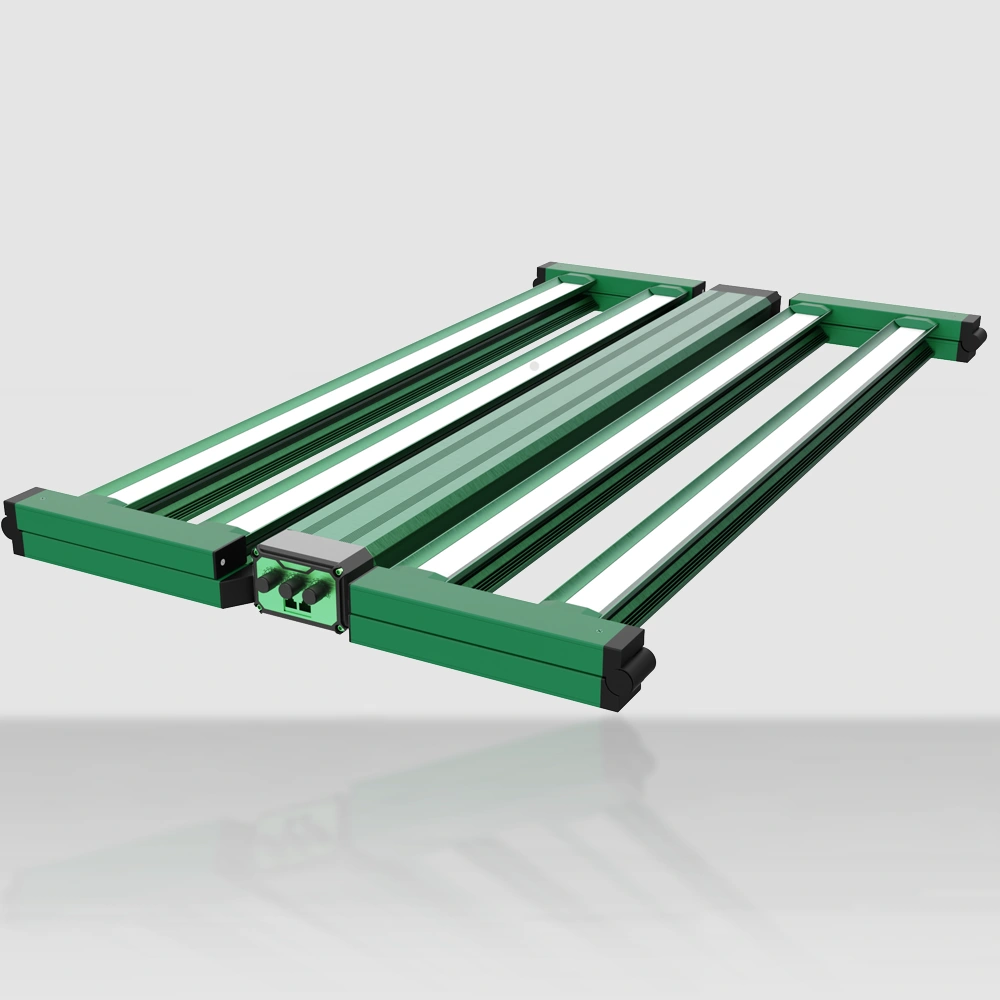

How to Choose Solar Grow Lights
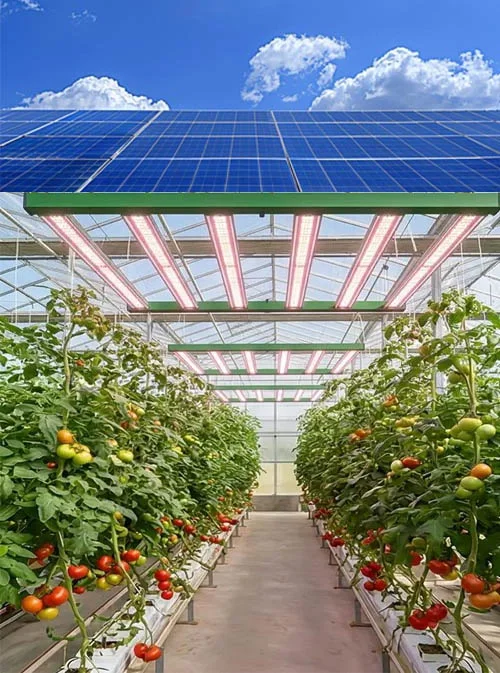
With recent energy price increases and hefty electricity bills, there's a growing discussion in agriculture and horticulture about using solar plant lighting solutions. Solar plant growth lights have gained significant attention from professional growers. This innovative lighting system utilizes solar energy to provide the necessary light for indoor cultivation and supplements light in greenhouses with insufficient natural light, aiming to increase yields and profits. This article will delve into the working principles, advantages, and how to choose the right product for your needs.
I. Basic Knowledge of Plant Lighting
1.1 Principle of Photosynthesis
The process by which plants rely on light for photosynthesis is the conversion of light energy into chemical energy. Light energy contains a large number of photons, which are crucial for plant growth, reproduction, and overall health. Photosynthesis primarily occurs in the chloroplasts of plant cells, where chlorophyll absorbs light energy. Sometimes, to utilize light energy more efficiently, certain plant species can even adapt to low-light environments by increasing chlorophyll content to capture as much light as possible.
1.2 Plant Lighting Spectrum
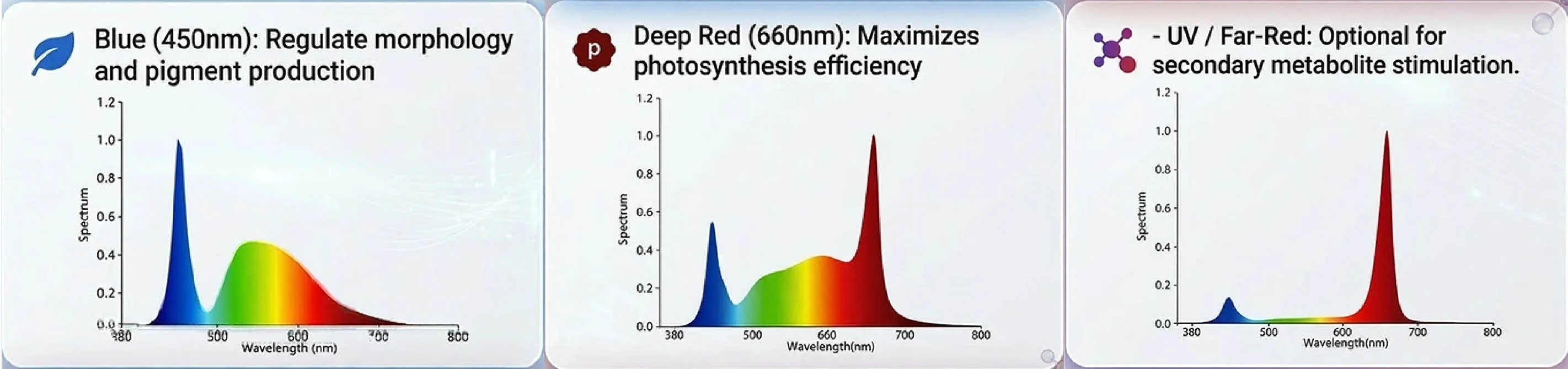
Different wavelengths of light affect various aspects of plant growth. Common plant light spectra mainly include five wavelengths: blue light (400-500nm), red light (600-700nm), green light (540-570nm), infrared light (around 700-800nm), and ultraviolet light (around 395nm). Blue light is crucial for plant vegetative growth, promoting leaf development and stem strength while inhibiting excessive vegetative growth. On the other hand, red light in the 600-700nm wavelength range is essential for flowering and fruiting, increasing flower bud production. While green light is relatively less efficient in photosynthesis, it plays a role in plant health and can influence plant morphology. Infrared light can regulate photoperiod and accelerate the flowering process. Ultraviolet light can kill bacteria and reduce the risk of pests and diseases.
1.3 Light Duration
Besides light quality, light duration also significantly affects plant growth. Most plants require a specific photoperiod, i.e., the length of time they receive sunlight each day. This duration affects flowering, seed germination, and overall growth rate. For example, some plants thrive under long-day conditions, while others may require short-day conditions to induce flowering. Photoperiodism is a fascinating phenomenon that allows plants to adjust their life cycles according to seasonal changes, ensuring they flower and bear fruit at the most favorable time for survival and reproduction.
1.4 Light Intensity
Furthermore, light intensity plays a crucial role in plant health. Insufficient light leads to chlorosis, where plants become elongated and weak as they stretch towards the light source; conversely, excessive light can cause photoinhibition, which damages chlorophyll and hinders photosynthesis. Understanding these subtle differences helps gardening enthusiasts and growers optimize growing conditions—whether using natural sunlight or artificial grow lights—to ensure plants receive the optimal balance of light quality, duration, and intensity for robust growth.
II. Basic Knowledge of Solar Grow Lights
2.1 Principles and Concepts
Solar grow lights are lighting systems that utilize renewable natural sunlight as their energy source. Equipped with solar panels, these lights collect sunlight during the day and convert it into electricity, which is then stored as chemical energy via batteries. At night or on cloudy days, the chemical energy in the batteries is converted back into electricity to power the LED grow lights. This technology not only reduces electricity costs but also minimizes the environmental impact of traditional lighting systems. By utilizing solar energy, these lights promote sustainable horticultural practices, making them ideal for environmentally conscious growers. Furthermore, using solar-powered grow lights can extend the growing season for many plants, allowing growers to cultivate a wider variety of plants regardless of their location. This adaptability is particularly advantageous in areas with shorter daylight hours, as these lights provide the spectrum necessary for photosynthesis even with limited natural light, promoting healthy plant growth and flowering.
2.2 Components of Solar-Powered Grower Lights
Generally, solar-powered grow lights consist of several key components: solar panels, batteries, LED grow lights, and a controller. If connected to mains power, an LED driver is also required. Solar panels collect photoelectrons from sunlight and convert them into electrical energy, which is then stored in batteries after passing through a controller. LED grow lights are favored for their high energy efficiency and long lifespan. The controller manages power distribution and typically supports programming specific lighting schedules. This programmable function allows users to simulate the natural day-night cycle, which is crucial for the growth cycles of many plants. Various sensors can also be equipped to automatically adjust light intensity according to environmental conditions, ensuring plants are in optimal growth condition. This adaptability significantly improves the efficiency of grow lights. For example, on cloudy days, sensors can increase light output to compensate for insufficient natural light, ensuring plants receive the necessary illumination, increasing yield, accelerating the growth cycle, and allowing products to be marketed earlier at better prices.
III. How to Select and Configure Solar Plant Grow Lights
1.1 Spectrum Selection
The first step is to select the appropriate spectrum based on the plants to be grown. Different plants require different spectra at different growth stages, so it is best to have all the necessary spectra available and use multiple channels to control the radiant power of different wavelengths. For example: The red-to-blue light ratio of the AIGENGDA spectrum for tomato cultivation is 10:3, and the red-to-blue light ratio AIGENGDA spectrum for leafy vegetable cultivation is 5:4.
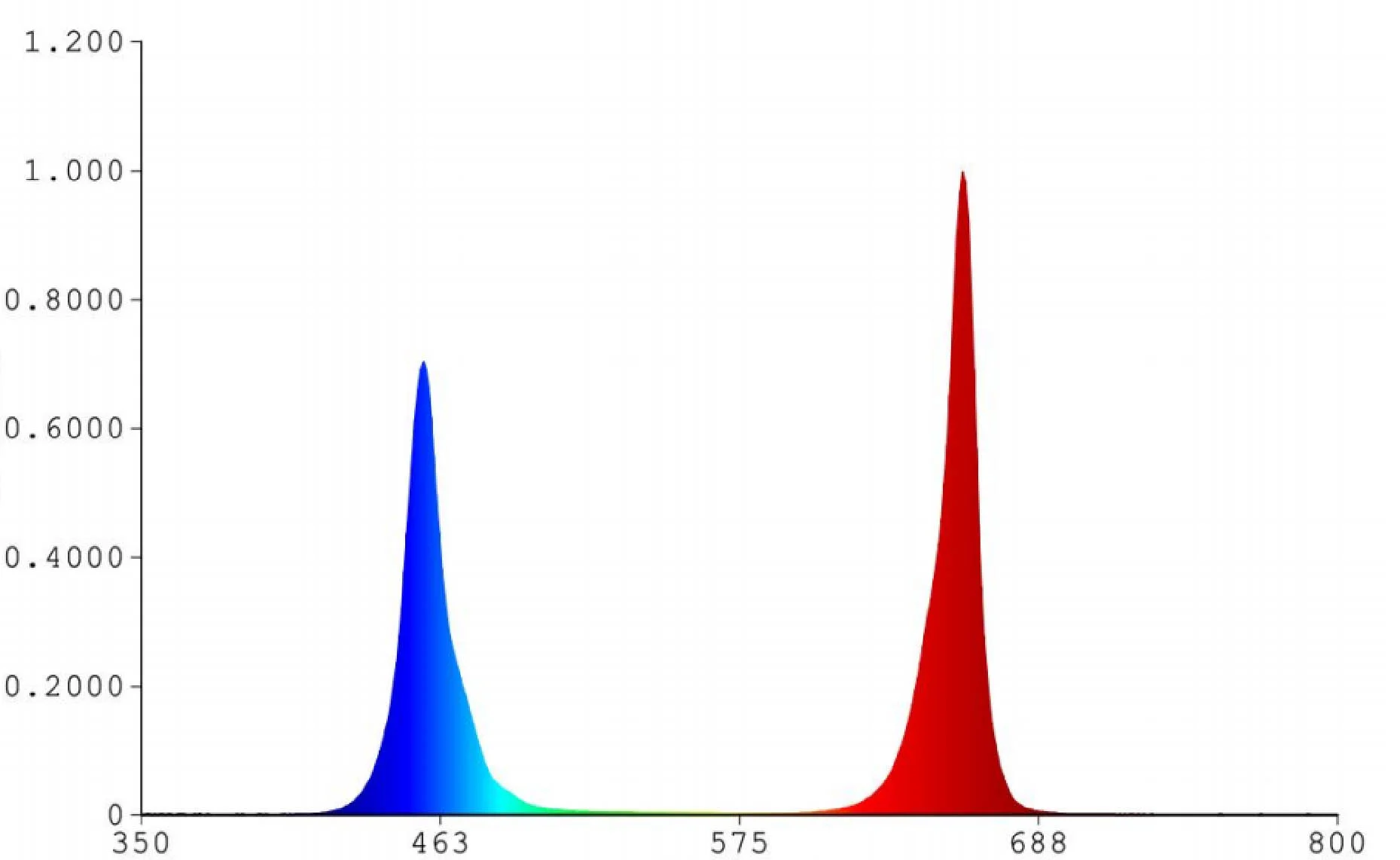
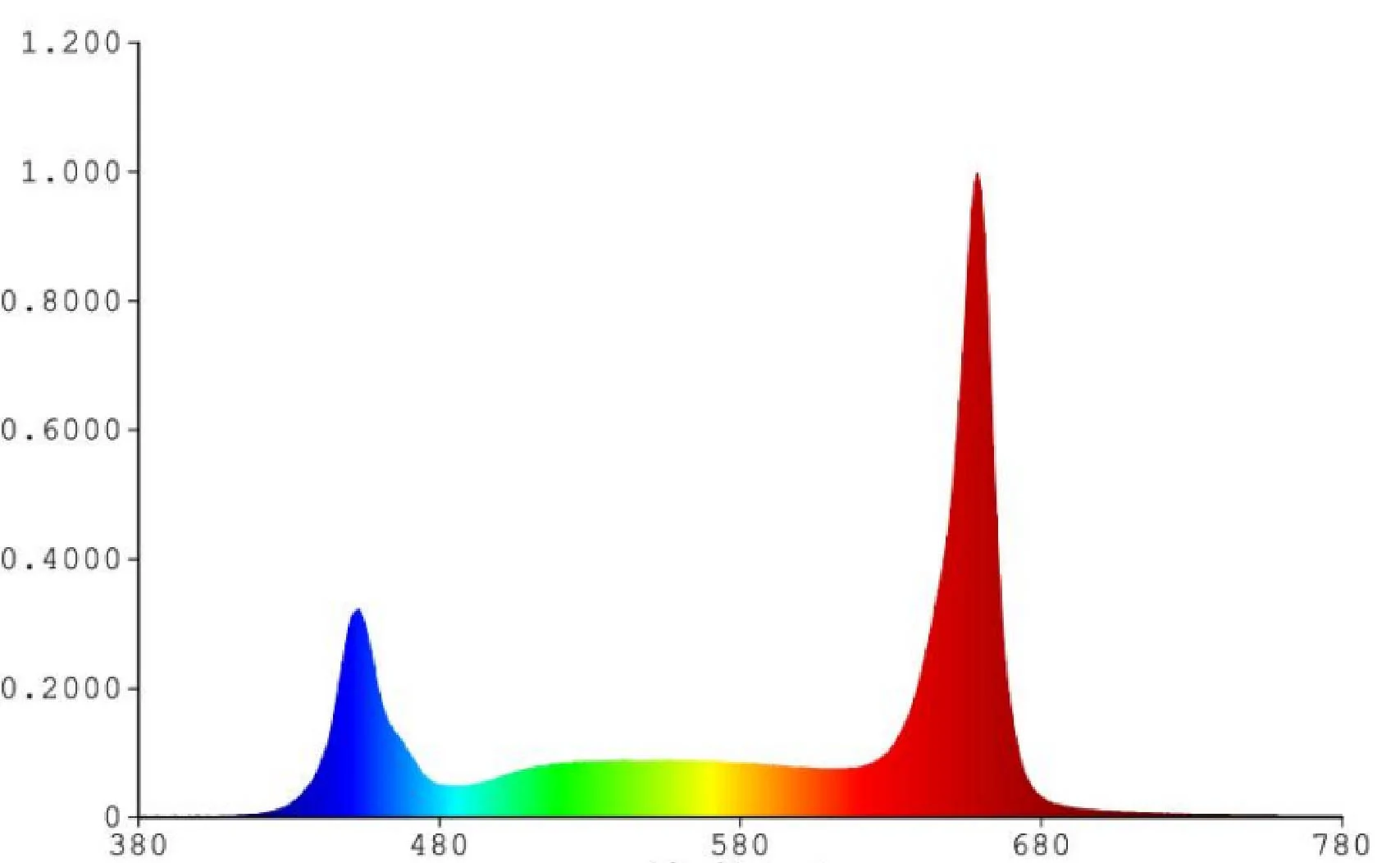
spectrum for tomato spectrum for leafy vegetable
1.2 Lighting Power Selection
The second step is to calculate the lighting power based on the spectrum and the PPFD requirements of the plants using the quantum efficiency of the LED beads. The light distribution curve of the lighting fixture is then imported into the modeled scene to calculate the PPFD value, verifying the feasibility of the lighting power. For example: Tomato cultivation requires a PPFD of 400 μmol/m²/s, and the required lighting power per square meter (EFF of 3.2 μmol/s) is 400/3.2 = 125 watts.
1.3 Solar Cell Power and Battery Capacity Selection
The third step is to determine the average sunshine duration and the longest consecutive cloudy/rainy days based on the latitude and longitude of the application scenario, and then configure the appropriate battery capacity and solar photovoltaic panel power. For example: In a certain location, the average peak sunshine duration is 5 hours per year, and the longest consecutive cloudy/rainy days are 3 days. A 125-watt solar plant supplemental light is used for 4 hours of supplemental lighting per day. The required battery capacity is 125 * 4 * 3 / 0.7 (depth of discharge) = 714Wh. If it needs to be fully charged in 2 days, the required solar panel power is approximately: 125 * 4 * 3 / 5 / 2 = 150W.
1.4 Selection of Other Components
Step 4: Based on the previous configuration, calculate the input and output voltage and current of each component, and select appropriate solar controllers, plant grow light controllers, and cables, etc.
IV. FAQ
4.1 How much electricity can a solar panel generate in a day?
A one-square-meter polycrystalline silicon solar panel is approximately 150Wp. If calculated based on 5 hours of operation per day, it can generate approximately 0.75 kWh of electricity.
4.2 How do I clean my solar panel?
Use clean water to rinse or gently wipe the surface with a soft cloth dampened with mild soap and warm water to remove dust, dirt, and bird droppings. Avoid using abrasive cleaners, solvents, or rough sponges that may scratch the panel's protective layer.
4.3 How long can solar plant grow lights typically be used?
High-quality solar grow lights typically last 3-10 years, with solar panels boasting a lifespan of 25-30 years and LEDs extending to 100,000 hours. However, batteries and controllers are usually the first parts to wear out.
4.4 Why does my solar light flicker?
Flickering usually indicates insufficient battery power or abnormal charging. It could also be due to an unstable LED driver or wiring connection. First, check the battery health, clean the solar panel, and inspect all wiring.
4.5 What are the consequences of a malfunctioning solar grow light?
A malfunctioning solar grow light will create dark spots, affecting the uniformity of plant growth. Plants in dark areas will grow differently than those in bright areas. A maintenance plan is necessary, with regular inspections to identify defects promptly.
4.6 What are the main causes of solar grow light failure?
There are many reasons for solar grow light failure, most of which are related to quality and installation issues. The biggest factor is the use of inferior, inexpensive batteries, which will age within a year and lose their energy storage capacity. Another possibility is the use of inferior LEDs or a poor-quality driver, causing the solar panel to function normally, but the grow light to fail.
4.7 What to do if the solar light battery is damaged?
After confirming battery damage, it is generally recommended to replace it with a matching battery of the same specifications, voltage, and capacity. Prioritize lithium iron phosphate batteries with a cycle life of over 3500 cycles; they maintain 85% discharge efficiency even at -40℃, offering greater long-term stability.
4.8 What to do if solar lights charge slowly in winter?
Shorter and weaker sunlight in winter is the main natural reason for slower charging. 1. Improve light transmittance by cleaning snow and dust from the solar panel surface; 2. Adjust the tilt angle of the photovoltaic panel to increase the light-receiving area; 3. Choose a model equipped with an MPPT controller to improve charging speed in winter.
4.9 Why are some solar lights not durable?
The main reasons are poor component quality, lack of regular maintenance, and improper placement. Choosing lights from reputable manufacturers and maintaining them properly can ensure a longer lifespan.
4.10 What are some common pitfalls when purchasing solar plant grow lights?
1. Unrealistic battery life: Many models fail quickly on cloudy days or in winter. This is usually due to an undersized solar panel or insufficient battery capacity, unable to store enough energy for a night's use.
2. Insufficient weather resistance: A common drawback of cheap solar plant grow lights is water ingress. Low protection ratings (e.g., IP44) typically only protect against splashes, not heavy rain or snow, eventually causing complete electronic component failure.
3. Poor light quality: Spectrum and brightness are crucial for planting. Many people expect increased yields and income, but these lights fail to achieve their goals, ultimately becoming mere decorations.
-END-
